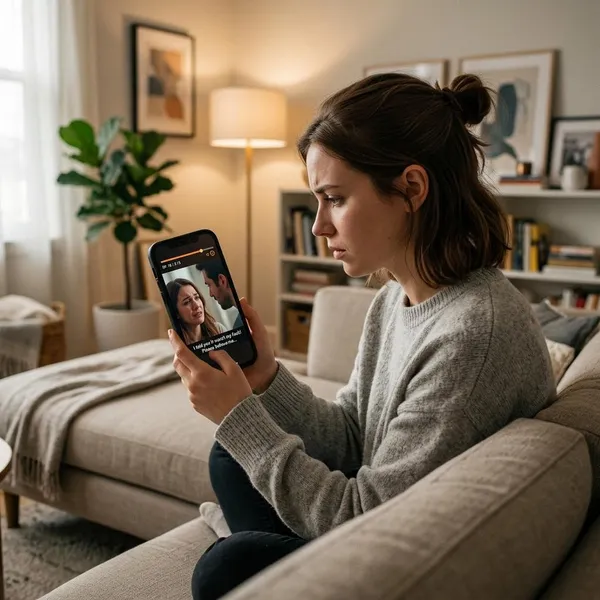
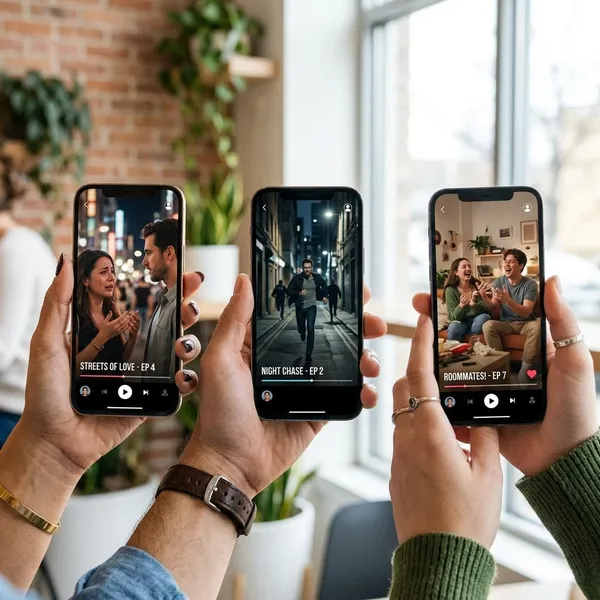
Drama shorts are short, serialized drama episodes made for quick phone viewing. Most run only a few minutes, move fast, and end on a hook so you want to tap the next part. If you are trying to recognize one, look for three signs first: connected episodes, mobile-friendly pacing, and a cliffhanger-heavy story.

What are drama shorts?
Drama shorts are not just random dramatic clips. They are short episodic stories with recurring characters, a continuing plot, and scenes designed to be understood quickly on a phone.
Short serialized stories
A drama short usually tells one larger story in many small pieces. One episode might show a breakup, the next a secret pregnancy reveal, and the next a confrontation with a wealthy family or rival lover.
This makes the format easy to binge. Someone waiting for a train can watch one episode, while someone relaxing at night may end up watching twenty because the plot keeps stopping at unfinished moments.
Mobile-first viewing
Drama shorts are made for people watching on phones, often with little patience for slow setup. Dialogue is direct, reactions are big, and the main conflict is usually clear within seconds.
- Casual viewer: easy to sample without committing to a full TV episode.
- Binge viewer: easy to continue because each part is short.
- New viewer: easy to understand even if the plot is exaggerated.
Often vertical video
Many drama shorts are filmed vertically because that matches how people hold their phones. Portrait framing also keeps faces, reactions, text messages, and confrontations large enough to read on a small screen.
Not every drama short is vertical, though. A short serialized drama in landscape format can still be a drama short; vertical video simply became one of the most common styles.
Fast, cliffhanger-led plots
The pacing is usually much faster than traditional TV. A character may discover a betrayal, lose everything, meet a powerful stranger, and face a new threat within only a few episodes.
How does the drama short format work?
The format works by cutting a full melodramatic story into very short chapters. Each episode usually focuses on one clear beat: a reveal, a fight, a romantic shift, a rescue, or a new threat.
For viewers, the most important thing to check is whether the platform gives you the full series easily. Some places show only teasers, while dedicated apps may lock later episodes behind ads, coins, or subscriptions.
Short episodes around a few minutes
Most drama short episodes are around one to three minutes, though exact lengths vary by platform. That short runtime changes the writing: scenes start closer to the conflict and usually skip long background explanation.
If you only want something to watch during a short break, this is the format's strength. If you prefer slow character development and quiet atmosphere, it may feel rushed.
Stories split into many parts
A complete series can have dozens of episodes, and some have far more. The individual parts are short, but the full story can still take time to finish.
Before paying to unlock episodes, check whether the platform shows the total episode count and whether viewers mention a complete ending. That small check helps avoid getting stuck in a story that feels stretched or unfinished.
Fast plot progression
Fast progression is part of the appeal. Drama shorts often remove slow transitions and go straight to the moment that changes the relationship, exposes the villain, or flips the power balance.
- Good fit: you want dramatic twists, quick emotional payoff, and easy binge watching.
- Less ideal: you want subtle acting, long conversations, or realistic relationship development.
Frequent episode hooks
Most episodes end just before or just after something important happens: a door opens, a secret is overheard, a contract is signed, or a hidden identity is almost exposed. The hook is not a side effect; it is the engine of the format.
Drama shorts vs microdramas and vertical dramas
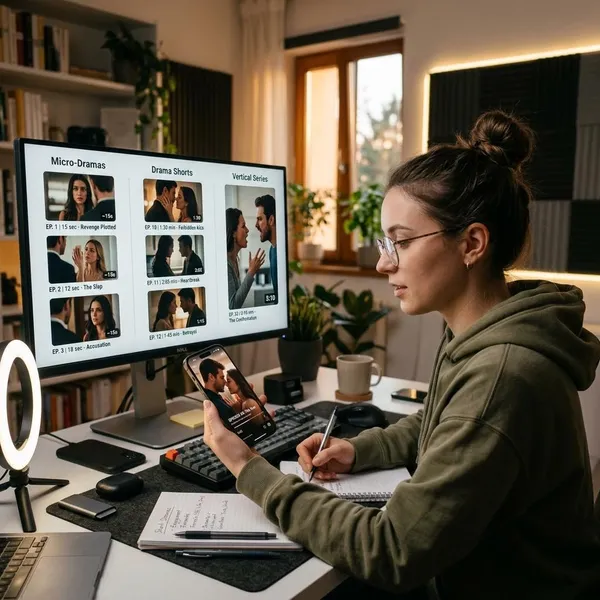
Drama shorts, microdramas, and vertical dramas overlap, but they do not emphasize the same thing. A single series can be all three: short in runtime, vertical in format, and dramatic in story.
| Term | What it mainly describes | Quick way to recognize it |
|---|---|---|
| Drama shorts | Short episodic drama stories | The plot continues across many brief episodes |
| Microdramas | Very compressed runtime | Episodes feel extremely short and tightly packed |
| Vertical dramas | Portrait video format | The show is made to watch upright on a phone |
Drama shorts describe short episodic stories
"Drama shorts" is the broadest everyday label. It tells you the content is dramatic, short, and serialized, without requiring every episode to follow one exact length or visual style.
Microdramas emphasize short runtime
Microdramas put the spotlight on extreme brevity. The word is useful when the main point is how much story gets compressed into tiny episodes.
A microdrama can still have romance, revenge, fantasy, or family conflict. The difference is that it delivers those elements with very little breathing room.
Vertical dramas emphasize portrait format
Vertical dramas are defined by how they are filmed and watched. Portrait mode affects framing, editing, and performance because the camera often stays close to faces and emotional reactions.
What genres are common in drama shorts?
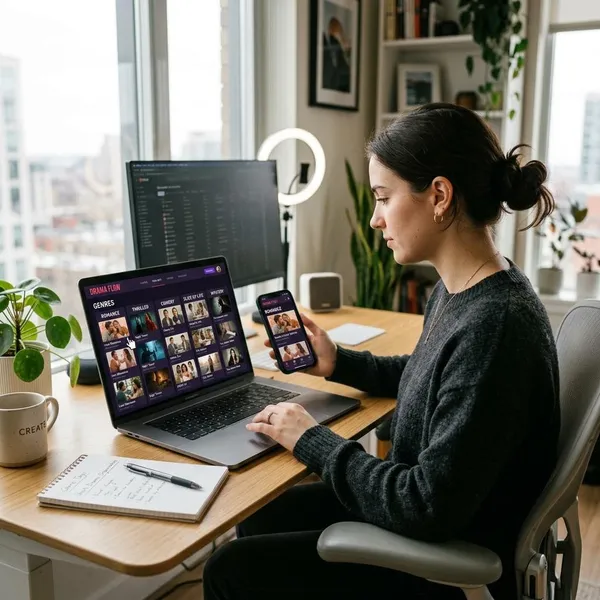
Drama shorts lean toward genres that are easy to understand quickly and naturally create cliffhangers. Romance, revenge, fantasy, crime, and hidden-identity plots work especially well because the stakes are obvious without long explanation.
If you are choosing what to watch first, start with the type of conflict you enjoy most. Romance-heavy stories usually focus on emotional tension, while revenge or fantasy stories often move faster and feel more twist-driven.
Billionaire romance
Billionaire romance is one of the most common drama short genres because status, money, secrecy, and attraction create instant conflict. Typical setups include contract marriage, a hidden CEO, a poor heroine underestimated by wealthy rivals, or a public humiliation followed by a power reversal.
Mafia and forbidden romance
Mafia and forbidden romance stories add danger to the relationship. The couple may be separated by rival families, criminal loyalty, forced engagement, or a secret that could put one of them at risk.
This genre suits viewers who want romance with pressure from outside the couple, not just misunderstandings between two people.
Werewolf and fantasy
Werewolf, vampire, and fantasy drama shorts often use fated mates, hidden powers, cursed bloodlines, or rival supernatural groups. These ideas work well in short episodes because one reveal can instantly change the whole story.
- Choose this genre if you like heightened emotions and big supernatural rules.
- Skip it if you prefer grounded romance or realistic family drama.
Revenge and hidden identity
Revenge and hidden identity stories are almost tailor-made for drama shorts. A character can be insulted in one episode, quietly reveal power in the next, and expose a villain a few parts later.
The satisfaction comes from delayed recognition. Viewers keep watching because they want the arrogant ex, cruel family member, or corrupt rival to finally realize who they underestimated.
Where can you watch drama shorts?
You can watch drama shorts on dedicated short-drama apps, YouTube, social platforms, and sometimes streaming services. The best place depends on what you want: easy discovery, free sampling, or a complete series in the correct order.
Short-drama apps
Dedicated short-drama apps usually offer the most complete experience. Episodes are arranged in order, autoplay is built in, and the library is focused on this exact format.
The trade-off is access. Many apps let you watch the opening episodes free, then ask for ads, coins, daily rewards, or a subscription. Before spending, check how many episodes are locked and whether the story has a clear ending.
YouTube
YouTube is a low-commitment place to test the format. You may find official previews, first episodes, compilations, or selected full uploads.
It is not always the best place for finishing a story, because uploads can be partial or edited for promotion. For a beginner, though, it is useful for comparing genres before paying anywhere.
Social video platforms
TikTok, Instagram Reels, Facebook, and similar platforms are often where people first discover drama shorts. The clips usually show the most shocking confrontation or emotional twist, not the full story.
Treat social clips as trailers. If a teaser interests you, look for the series title, episode number, and official source before clicking random reposts or paying through unclear links.
Streaming services
Streaming services may offer short scripted dramas, but they usually do not follow the same one-to-three-minute, cliffhanger-every-episode model. They are better if you want something more polished and less aggressively chopped into tiny parts.
If you want the classic mobile drama short experience, apps and social-first platforms are more likely to match it. If you want a calmer short series with stronger production values, a streamer may be a better fit.

Conclusion
Drama shorts are best understood as serialized phone dramas built for quick emotional payoff, not as shorter versions of normal TV episodes. They are a good match if you want fast twists, clear stakes, and easy binge viewing; they are less satisfying if you want slow pacing or subtle long-form storytelling. Before committing to a series, check where the full episodes live, how unlocking works, and whether the story appears to have a proper ending.