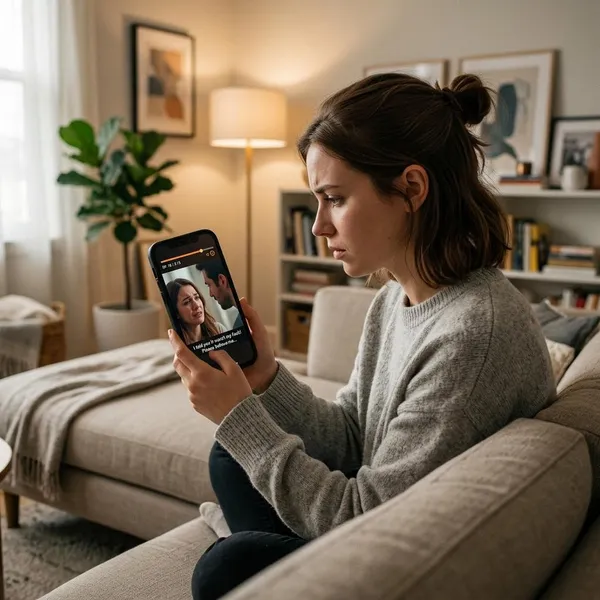
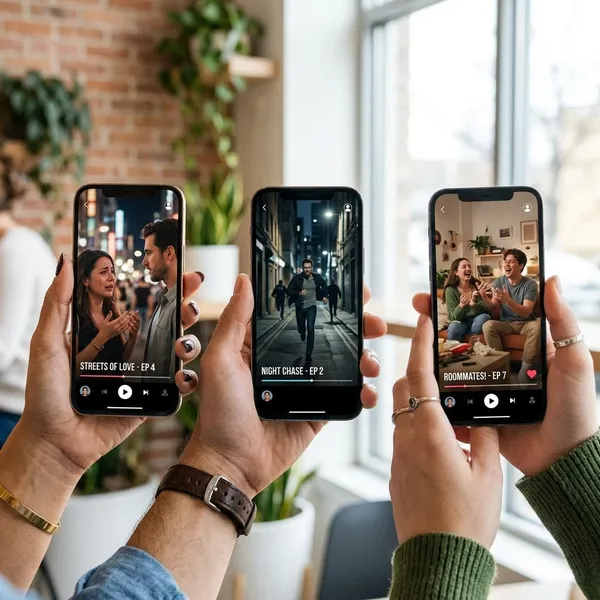
Why are they called vertical dramas? Because the shows are made in a tall, upright video frame that fits a phone held normally in your hand. The name points first to the screen direction, not to a special genre of plot: the story can be romance, revenge, thriller, comedy, or melodrama, but the format is vertical.

Why Are They Called Vertical Dramas?
Vertical dramas get their name from the way they are filmed and watched. A regular TV episode is usually built for a wide horizontal screen, while a vertical drama is built for a portrait phone screen. If you can watch it comfortably without turning your phone sideways, you are seeing the main idea behind the name.
They use a vertical 9:16 frame
The clearest sign is the 9:16 portrait frame. It is the upright version of the 16:9 shape used by most TV shows, streaming series, and YouTube videos. Instead of spreading the scene across a wide image, the frame stacks the action from top to bottom.
They are designed for upright phone viewing
The format matches the way people already hold their phones while texting, scrolling, or watching short clips. A viewer can tap an episode during a commute, while waiting for coffee, or during a quick break without changing grip or rotating the screen.
- For casual viewers: it feels easy to start because it behaves like other phone-first video.
- For creators: every shot has to be planned for a narrow frame, not cropped from a TV-style scene later.
They fill the screen without rotating the phone
A vertical drama is meant to take over the phone screen without black bars or a tiny reduced image. That full-screen fit is one of the practical reasons the term "vertical" stuck: the viewing experience is built around the phone staying upright.
How Vertical Framing Changes the Story
The tall frame does more than change the shape of the video. It changes what the viewer notices first. Vertical dramas usually avoid wide scenery and complex blocking because those details can become hard to read on a small screen.
Faces and reactions dominate the frame
Close reactions work especially well in a vertical frame. A shocked pause, a jealous look, or a sudden change in expression can fill the screen and carry the scene without much explanation.
This is why the format suits emotional plots so well. In a revenge or romance story, the viewer often needs to catch the reaction faster than the setting. On a phone, a clear face usually tells the story better than a wide room full of background detail.
Scenes focus on fewer characters at once
Vertical framing naturally favors one or two people in a scene. A crowded dinner table, office meeting, or family confrontation can look cramped if too many faces compete inside a narrow image.
Good vertical dramas often simplify the scene around one clear tension point: two lovers arguing, a rival confronting the lead, or a character overhearing something important. That narrower focus helps the viewer understand the conflict even if they only have a minute to watch.
Conflict is shown at closer range
Instead of slowly establishing a large setting, many scenes begin near the dramatic moment. The camera may already be close when the secret is revealed, the insult lands, or the character realizes they have been betrayed.
That closer range is not just a style choice. It is a practical answer to the small screen. If the viewer is watching on a bus or in a noisy room, a tight confrontation is easier to follow than a wide shot where the important detail is hidden in the corner.
Visual information stays easy to read on a phone
The best vertical framing keeps the important information large and obvious. That can mean a face centered in the frame, a phone message shown clearly, or a prop held where the viewer can actually see it.
- Check whether the main subject is readable without pausing.
- Look for one clear action or reaction in each moment.
- Notice whether the episode ends on a question, reveal, or interruption.
Why Vertical Dramas Work So Well on Phones
Vertical dramas work on phones because the format removes small points of friction. The screen is already upright, the episodes are short, the images are easy to read, and the next chapter is usually one tap away.
No screen rotation is needed
No rotation sounds like a small convenience, but on mobile it matters. People often watch these shows in short, casual moments rather than sitting down for a full episode. Keeping the phone upright makes the first tap feel effortless.
That is also why the format travels well through ads and social feeds. A viewer can move from a teaser to an episode without changing how they hold the device.
Close-ups remain clear on small screens
Small screens reward simple, bold visuals. A close-up of a character's face, a wedding ring, a contract, or a text message remains understandable without the viewer needing to zoom in mentally.
For phone viewing, clarity usually matters more than cinematic width. A scene that might feel visually limited on a television can feel direct and intense on a handheld screen.
Short episodes fit mobile viewing habits
Many vertical drama episodes are very short, often around one to three minutes, though the exact length depends on the platform and series. That makes them easy to sample when a viewer does not want to commit to a long episode.
| Quick break | One episode can deliver a reveal, argument, or twist before the viewer puts the phone away. |
| Longer binge | Several short chapters can add up quickly because each ending pushes the viewer forward. |
| Trying a new story | The time commitment feels low, so viewers are more willing to test an unfamiliar series. |
Cliffhangers encourage continuous watching
Cliffhangers are especially effective in this format because the next episode is so close. A door opens, a secret is nearly exposed, or a character is caught at the worst possible moment, and the viewer only has to tap once to continue.
The risk is that the story can start to feel repetitive if every episode only delays the same answer. Stronger vertical dramas still use cliffhangers, but they also give the viewer small payoffs along the way: a new clue, a sharper conflict, or a changed relationship.
Conclusion
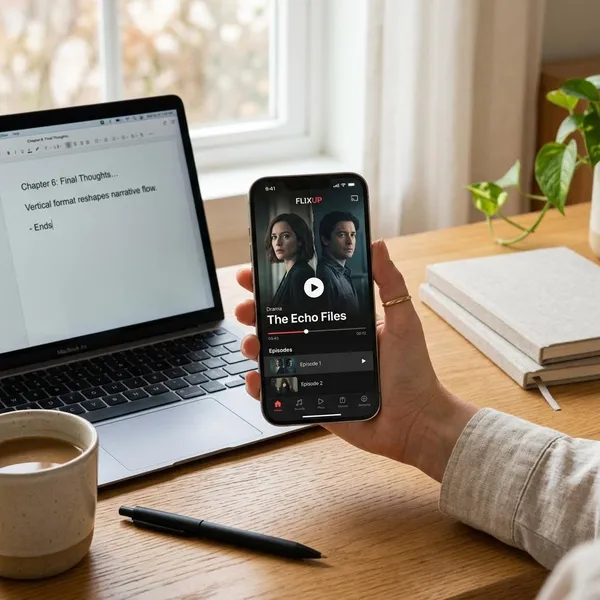
The simplest way to understand the name is to look at the phone in your hand: vertical dramas are dramas made for that upright screen. The format works best when it uses the tall frame on purpose, with clear close-ups, fewer distractions, short scenes, and hooks that suit mobile viewing rather than pretending to be regular TV squeezed into a phone.