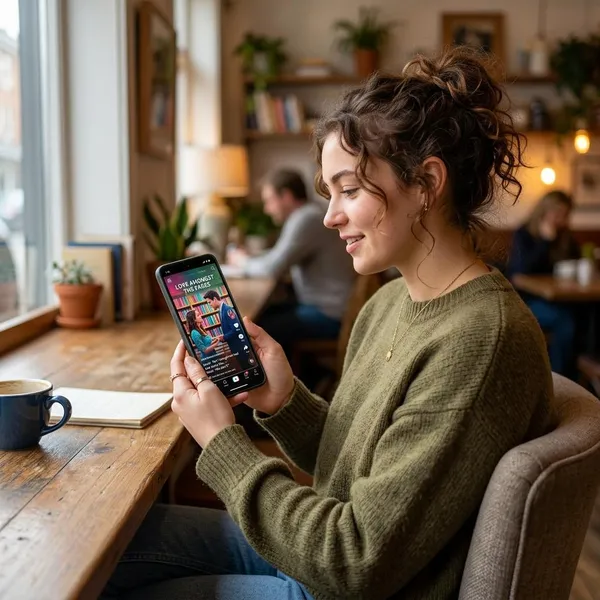
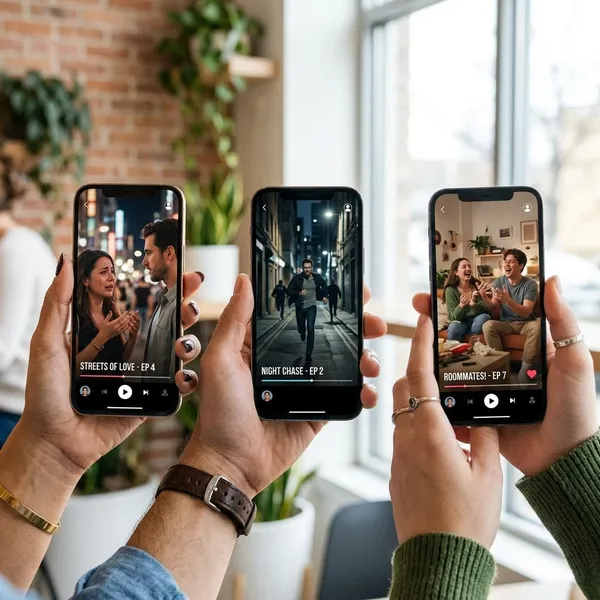
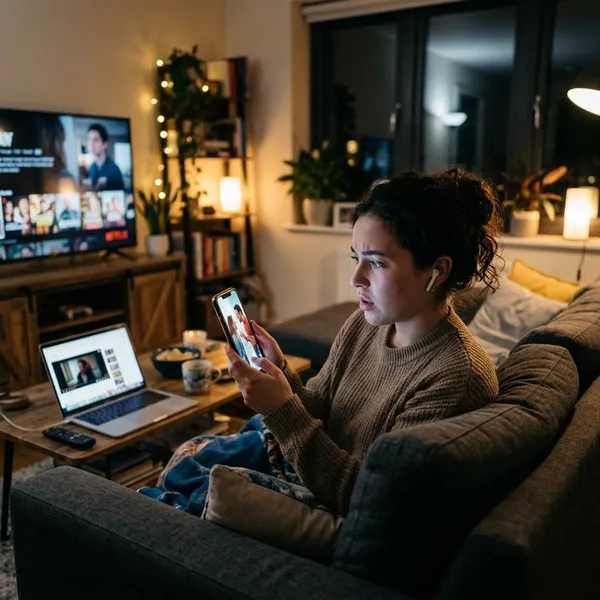
A micro drama is a short serialized drama made for phone viewing, with episodes often lasting only a minute or two. The appeal is not that the stories are complex; it is that they get to the emotional hook quickly, end on a cliffhanger, and make the next episode feel easy to tap.
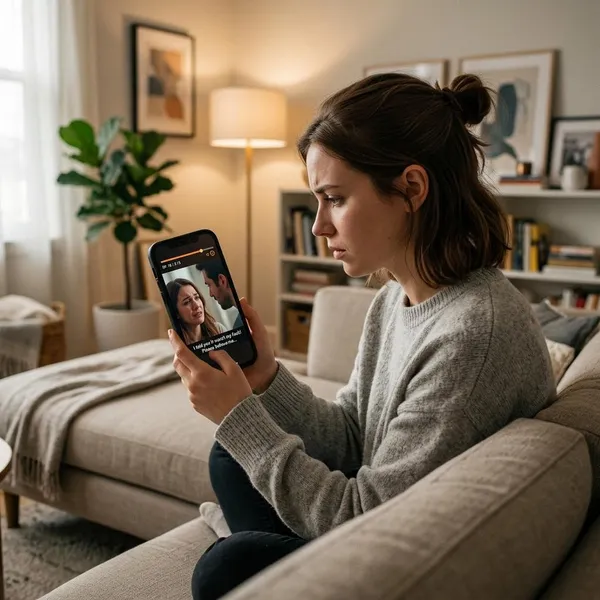
What is a micro drama?
A micro drama is best understood as a full serialized story broken into very small episodes. It sits somewhere between a soap opera, a romance web novel, and short-form video: fast, dramatic, and built for watching on a phone rather than sitting through a long TV episode.
The first thing to check is whether the content is actually serialized. A random one-minute skit is short-form video, but a micro drama keeps returning to the same characters, conflicts, secrets, and cliffhangers across many episodes.
A short serialized drama
Micro dramas usually tell one continuing story across dozens of short episodes. A full series may add up to the length of a movie or longer, but each part feels small enough to watch during a coffee break, a commute, or while waiting in line.
That serialized structure is what makes the format sticky. One episode rarely feels complete on its own, because the ending is designed to leave a question open: Who is lying? Will the secret be exposed? Is the rejected character about to return with more power?
Made for mobile viewing
The format is shaped around phone behavior. Episodes start fast, characters speak clearly, and scenes rarely spend much time on slow setup because viewers may be watching with one hand while doing something else.
- Good for short gaps: one or two episodes can fit into a spare minute.
- Easy to pause: the story is divided into tiny units.
- Low commitment: starting does not feel like choosing a full movie or TV episode.
Often filmed vertically
Many micro dramas are filmed vertically because that matches how people naturally hold a phone. Vertical framing also makes close-ups, arguments, reactions, and romantic tension feel more immediate on a small screen.
Not every micro drama is vertical, though. Some platforms use horizontal or mixed formats, especially when content is adapted for different video platforms.
Built around hooks and cliffhangers
A micro drama needs a hook almost immediately. The opening may show a betrayal, secret pregnancy, forced marriage, public humiliation, revenge promise, hidden billionaire identity, or supernatural reveal before the viewer has time to scroll away.
The cliffhanger is the real engine. If a normal TV episode slowly builds toward a final twist, a micro drama may create that kind of turning point every one or two minutes. That can feel over-the-top, but it is also why the format works so well for quick binge watching.

Why are micro dramas so popular?
Micro dramas are popular because they fit the way many people actually watch entertainment now: in small bursts, on a phone, often between other tasks. They do not ask for patience before giving the viewer a payoff.
Quick mobile viewing
A 45-minute episode can feel like a decision. A 90-second episode feels almost effortless. That difference matters when someone is watching during a bus ride, between meetings, or late at night when they do not want to start anything demanding.
For light viewers, this makes micro dramas easy to sample. For frequent viewers, it can turn into a habit because there is always time for "just one more" episode.
Fast emotional payoff
Micro dramas usually skip the slow burn. Conflict arrives quickly, and the emotional direction is obvious: betrayal needs revenge, a fake marriage needs tension, a hidden heir needs a reveal, or a rejected lover needs a comeback.
That speed is useful on mobile because distractions are close by. If the story does not create interest quickly, the viewer can leave with one swipe.
Easy binge watching
Bingeing feels easy because each individual choice is tiny. Watching one more episode does not seem like a big time investment, even when ten small episodes become a longer session.
Familiar dramatic tropes
The stories often use familiar tropes because they save time. A viewer instantly understands a cold CEO romance, a cheating ex, a revenge comeback, a secret baby, a mafia lover, or a werewolf mate conflict without needing much explanation.
That does not mean every micro drama is original or subtle. The point is usually clarity and momentum. If you enjoy bold, emotional storytelling, the repetition can be comforting; if you prefer quiet realism, the same tropes may feel too predictable.
What genres are common in micro dramas?
The most common micro drama genres are the ones that can create conflict instantly. Romance, revenge, family betrayal, fantasy, and forbidden love dominate because they need very little setup before the stakes are clear.
If you are choosing what to watch first, start with the trope you already enjoy in novels, soaps, or streaming dramas. The format moves quickly, so a genre you dislike will usually feel exaggerated even faster.
Billionaire and CEO romance
Billionaire and CEO romance is one of the most recognizable micro drama categories. These stories often use contract marriages, secret identities, workplace power gaps, jealous rivals, and underestimated heroines.
The appeal is not realism. Wealth, status, and public humiliation create instant pressure, which gives the story enough fuel for quick twists.
Revenge and rebirth
Revenge and rebirth stories usually begin with a character being betrayed, abandoned, framed, or humiliated. The satisfying part comes when that character returns with more power, better knowledge, a new identity, or a second chance.
Some series use literal time reset or reincarnation-style plots, while others use "rebirth" more loosely as a comeback arc. Either way, the genre works because every confrontation can become a payoff scene.
Mafia and forbidden romance
Mafia and forbidden romance micro dramas rely on danger. The relationship is attractive because it is risky: rival families, criminal power, bodyguards, secrets, or loyalty conflicts can make even a short conversation feel tense.
This genre is a better fit if you like heightened drama rather than gentle romance. The emotional stakes are usually pushed hard and fast.
Werewolf and fantasy
Werewolf and fantasy stories add supernatural stakes to familiar romance and revenge patterns. Common setups include rejected mates, hidden powers, alpha dynamics, royal bloodlines, curses, and magical betrayal.
Even when the effects are modest, the format can still work if the central hook is strong. For viewers who find CEO romances too grounded or repetitive, fantasy micro dramas offer a more escapist version of the same high-emotion structure.
Where can you watch micro dramas?
You can watch micro dramas mainly on dedicated short-drama apps, with trailers and sample clips often appearing on social video platforms. The best place to start depends on whether you want to browse casually for free or follow a full series without constant interruptions.
Before spending money, compare three things: how many episodes are free, how the app charges after that, and whether the genre library matches your taste.
ReelShort
ReelShort is one of the best-known micro drama apps in English-language markets. Many viewers first notice it through dramatic ads or clipped scenes on TikTok, Instagram, YouTube, or Facebook.
It is a practical starting point if you want to understand the format quickly, especially if you like romance, revenge, and billionaire-style storylines. Just check the unlock system before assuming a full series will be free.
DramaBox
DramaBox offers a similar short-drama experience, with fast episodes and a catalog that leans heavily into romance, melodrama, revenge, and high-stakes relationships.
If you are comparing it with ReelShort or another app, do not judge only by the first free episode. Look at subtitle quality, episode pricing, ad options, and whether the recommendations keep showing the same trope too aggressively.
Other short-drama apps
Other apps also carry micro dramas, and the names in this space can change quickly as the market grows. Some focus on romance, some push fantasy or revenge stories, and others compete mainly through cheaper access or more free episodes.
- Try free episodes first: acting style and pacing vary a lot.
- Check total access cost: coins can add up across many episodes.
- Compare genres: the best app is often the one with the tropes you actually finish.
- Read plan details: "VIP" does not always mean unlimited access to everything.
Social video platforms
Social platforms are useful for discovering micro dramas, but they are often not where the full series lives. TikTok, YouTube Shorts, Instagram Reels, and Facebook may show trailers, episode fragments, or early scenes that point viewers toward an app.
That makes social video a good low-risk test. If a few clips feel too repetitive or too melodramatic, you probably do not need to download the app. If the cliffhanger works on you immediately, the full series is usually only a tap away.
How do micro drama apps work?
Most micro drama apps use a freemium model: they let you start for free, then ask you to unlock later episodes with coins, ads, waiting time, or a subscription. The model works because the payment prompt usually appears after the story has already created curiosity.
Free opening episodes
Free opening episodes are designed to hook you. They usually introduce the main conflict quickly and stop near a strong reveal, so you can judge the story but also feel pressure to continue.
Use them as a quality check. If the subtitles are awkward, the acting feels too stiff, or the plot already feels repetitive, paying for later episodes is unlikely to fix that.
Coin-based episode unlocks
Coin systems let you buy virtual currency and spend it on individual episodes. The small per-episode cost can feel harmless, but a long series may become more expensive than expected.
For occasional viewing, coins may be fine. For daily binge watching, pause and estimate the cost of finishing a series before unlocking episode after episode on impulse.
Ad-supported viewing
Some apps let you watch ads to unlock episodes or earn viewing credits. This is useful if you want to keep costs down and do not mind a slower pace.
Ad-supported access fits casual sampling better than intense bingeing. If you are watching only a few episodes during lunch, ads may be tolerable; if you are trying to finish a dramatic finale, repeated ad breaks can become annoying fast.
Subscription and VIP access
Subscription or VIP access can be worthwhile for frequent viewers, but only if the plan matches how you watch. Some plans reduce ads, some offer faster unlocking, and some include broader access to premium episodes.
Before subscribing, check what is actually included, whether access renews automatically, and whether the app has enough series you want to finish. A monthly plan is easier to justify if you watch several dramas, not just one viral clip.

Conclusion
Micro dramas make the most sense when you see them as fast emotional storytelling for phones, not as shorter versions of prestige TV. Try a few free episodes, notice whether the cliffhanger style actually suits you, and check the app's payment model before you get pulled too far into a long series.