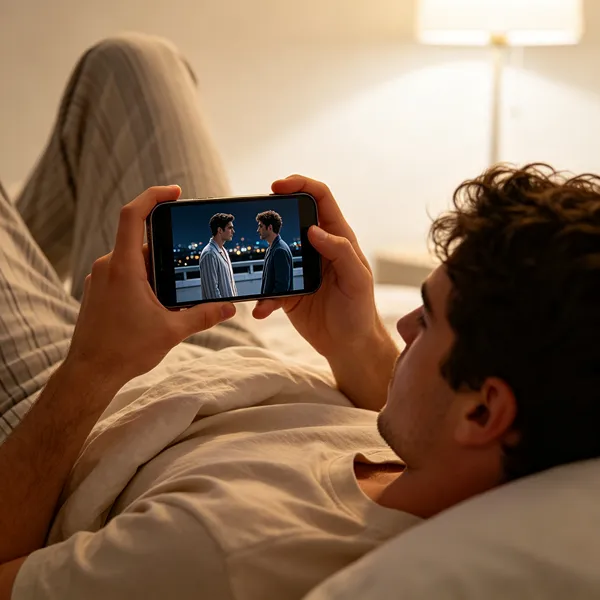
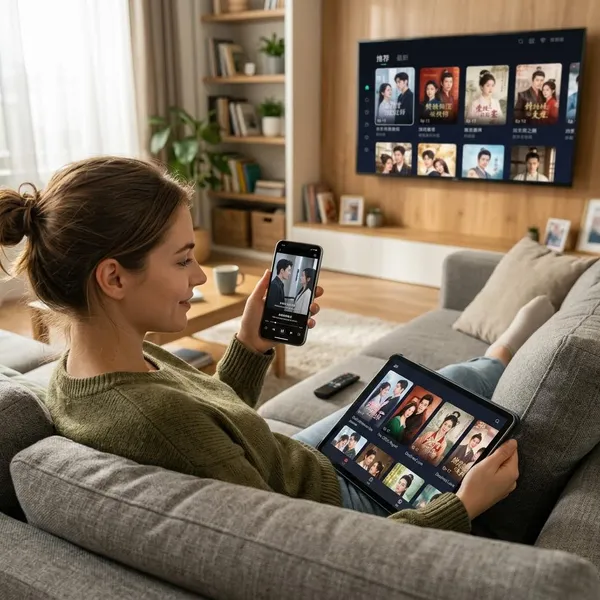
If you're trying to understand what is a vertical drama, think of a scripted drama made to be watched upright on a phone, split into very short episodes that keep pushing the story forward. It is closer to a fast serialized show than a random social clip: characters return, conflicts build, and most episodes end with a reason to tap the next one.

What is a vertical drama?
A vertical drama is a mobile-first scripted series, usually made in a 9:16 portrait frame and released as many short chapters. The easiest way to identify one is to check three things first: it is scripted, it is designed for upright phone viewing, and the story continues from episode to episode.
That last point matters. A dramatic clip on TikTok or Instagram may be vertical, but it is not automatically a vertical drama. A true vertical drama has a continuing plot, recurring characters, and a structure that makes each short episode feel like part of a larger story.
Scripted 9:16 storytelling
Most vertical dramas are planned for the 9:16 phone screen from the start. That changes the way scenes are written and filmed: close-ups, facial reactions, text messages, and two-person confrontations often work better than wide group scenes or complex action.
For creators, this is the first practical boundary. Cropping a horizontal short film into portrait can make it vertical, but it usually will not feel like a vertical drama unless the blocking, pacing, and emotional beats were built for a narrow screen.
Short mobile-first episodes
Episodes are usually brief enough to watch during a small gap in the day: waiting for coffee, sitting on a train, or taking a break between tasks. That short runtime is not just a convenience feature; it shapes the story. Each chapter needs one clear beat, such as a reveal, accusation, confession, threat, or romantic turn.
Serialized stories with cliffhangers
Vertical dramas rely heavily on serialization. A single episode rarely feels complete on its own, because the point is to move the viewer into the next chapter.
- Clear continuation: the next episode answers or escalates the previous one.
- High-tension endings: scenes often stop at a betrayal, discovery, or decision.
- Longer arc: dozens of short chapters may add up to one full dramatic storyline.
This is why the format can feel like a compressed soap opera or web novel rather than a playlist of separate videos.
How does the vertical drama format work?
The format works by breaking one emotional storyline into quick, phone-native episodes. A strong premise appears early, the plot moves with very little dead space, and the viewer is repeatedly given a small decision: stop now, or watch one more minute.
One- to three-minute episodes
Many vertical drama episodes sit around one to three minutes, though exact lengths vary by platform and series. That is short enough for casual viewing, but it also means the writing has to be blunt and efficient. Long setup, quiet atmosphere, and subtle side plots usually get reduced or skipped.
If you like slow-burn TV, this can feel rushed. If you want a quick emotional hit before getting back to your day, the same speed can be the whole appeal.
Dozens of episodes per series
A vertical drama may have 30, 60, or even more short episodes. The total viewing time can still resemble a movie or a compact TV season, but the experience feels different because every few minutes brings a new stopping point.
This structure also supports app monetization. Some platforms let you watch early chapters for free, then ask for ads, coins, or a subscription. Before paying, it is worth checking whether the series is still developing the plot or simply stretching the same misunderstanding across too many episodes.
Portrait-first filming
Portrait-first filming means the scene is composed for an upright phone, not treated as an afterthought. Faces, hands, doorways, phone screens, and tight spaces often become more important than wide backgrounds. A tense conversation in a hallway may work better than a visually busy scene with many characters.
Fast continuous plots
The plot usually moves almost constantly. A character is exposed, rejected, rescued, threatened, or tempted, and the next episode quickly raises the stakes again. This makes vertical dramas easy to binge, but it also leaves less room for nuance.
- Best fit: viewers who want direct conflict and fast payoff.
- Weaker fit: viewers who prefer layered character development and slower reveals.
- Common mistake: judging the format by TV pacing instead of by mobile pacing.
Why are vertical dramas so popular?
Vertical dramas are popular because they match how many people already use their phones: short sessions, quick decisions, and entertainment that does not require turning the screen or committing to a full episode of TV. The format removes friction first, then uses emotional momentum to keep people watching.
There is also a clear audience promise. Instead of asking viewers to wait for the story to warm up, vertical dramas usually offer betrayal, romance, danger, status reversal, or revenge almost immediately. That directness can feel exaggerated, but it is rarely confusing.
Easy mobile viewing
A vertical drama fits the phone posture people already use for messaging and scrolling. For someone watching on a commute or before bed, that matters more than it might seem. No setup, no remote, no screen rotation, and no need to remember where a 45-minute episode left off.
Fast emotional payoff
The emotional point arrives quickly: a secret is revealed, a couple clashes, a villain overplays their hand, or a powerless character suddenly gains leverage. This is why the format works especially well for viewers who want intensity without a long wait.
The trade-off is obvious. Fast payoff can become melodrama if every scene is written at maximum volume. The better series usually give the viewer at least one reason to care about the people involved, not just the twist.
Quick binge sessions
Ten episodes may sound like a lot until the total time is only fifteen or twenty minutes. That makes the format useful for two very different situations: a quick sample when you only have a few minutes, or a longer binge where "one more episode" barely feels like a decision.
Frequent cliffhangers
Cliffhangers are the engine of the format. They make the next tap feel natural, especially when an episode ends before a confession, after a sudden accusation, or at the exact moment a secret becomes visible.
What genres are common in vertical dramas?
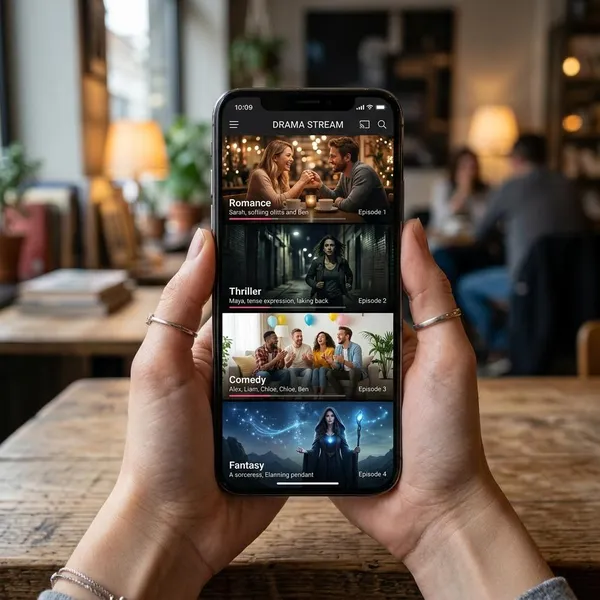
The most common vertical drama genres are romance, revenge, fantasy, and thriller or horror. These genres work because they can create stakes quickly and make a short episode end on a strong emotional turn.
If you are new to the format, genre choice matters. Romance and revenge are usually the easiest entry points because the conflict is clear right away. Fantasy, thriller, and horror can be more hit-or-miss depending on how well the production handles effects, tension, and world-building on a small screen.
Romance
Romance is one of the strongest vertical drama categories because attraction, jealousy, misunderstanding, and confession all work well in close-up. Common setups include contract marriages, hidden identities, enemies-to-lovers stories, second chances, and wealthy love interests.
This genre is a good starting point if you want to understand the format's emotional rhythm. The stories are often exaggerated, but the stakes are easy to read within seconds.
Revenge
Revenge gives a vertical drama a simple engine: someone was wronged, and now the balance of power is shifting. That makes each short episode easy to structure around a confrontation, humiliation, reveal, or comeback.
Fantasy
Fantasy vertical dramas usually work best when the idea is simple enough to grasp immediately, such as rebirth, time travel, hidden powers, or a supernatural identity. The fantasy element often acts as a trigger for romance, revenge, or family conflict rather than a fully detailed fictional world.
Thriller and horror
Thriller and horror fit the vertical frame when they use tight spaces, sudden messages, close reactions, and quick danger. A phone screen held close to the face can make a threat feel surprisingly direct.
- Thriller: best for secrets, stalking, traps, and escalating danger.
- Horror: best when the fear is simple and visual, not dependent on a large setting.
- Weak point: cheap scares can become repetitive if the story does not progress.

Where can you watch vertical dramas?
You can watch vertical dramas through dedicated short-drama apps, some streaming services, YouTube, and social video platforms. The best place to start depends on what you want: the full app-native experience, a low-friction sample, or a free preview before installing anything.
Before spending money, check the access model. Some apps rely on ads, some use coin unlocks, and some offer subscriptions. The story may be short, but the cost can add up if you keep unlocking episodes without noticing the payment structure.
Dedicated short-drama apps
Dedicated apps are usually the main home for vertical dramas. Services such as ReelShort, DramaBox, NetShort, and similar platforms are built around short chapters, genre browsing, cliffhanger chains, and episode unlocks.
Start here if you want to see the format as intended. You will understand not only the storytelling style, but also how thumbnails, free episodes, ads, and paid chapters shape the viewing experience.
Streaming platforms
Some streaming platforms and studios are experimenting with short mobile-first series, though dedicated apps still dominate the category. Streaming can be more comfortable if you dislike coin-based unlocks and prefer a familiar subscription environment.
YouTube
YouTube is useful for sampling. You may find teasers, episode playlists, compilations, or edited versions of short dramas without installing a separate app.
The experience can be different, though. A series designed for one-minute cliffhangers may feel slower or stranger when several chapters are stitched into a long video, so do not judge the entire format from one compilation.
Social video platforms
Social platforms such as TikTok, Instagram, and Facebook are often discovery channels rather than the final place to watch a complete series. You might see the most dramatic scene first: a slap, confession, betrayal, proposal, or revenge reveal.
- Use social clips for discovery: they show the hook quickly.
- Use apps for full viewing: they usually carry the complete episode chain.
- Check the source: clips are sometimes reposted without clear series names or official links.

Conclusion
A vertical drama is worth understanding as its own phone-native format, not just "TV made shorter." If you want quick emotional storytelling, it can be very easy to get into; if you prefer slow development and fewer cliffhangers, it may feel too compressed. The best test is simple: watch the first few free episodes of one romance or revenge series and notice whether the short chapter rhythm feels exciting or exhausting.