The safest answer to when did vertical dramas start is: they took shape in China in the late 2010s, and 2018 is the most useful turning-point date. Short vertical videos existed earlier, but around 2018 the format began to look like a recognizable kind of serialized phone-first drama rather than just casual social content.

What Counts as a Vertical Drama?
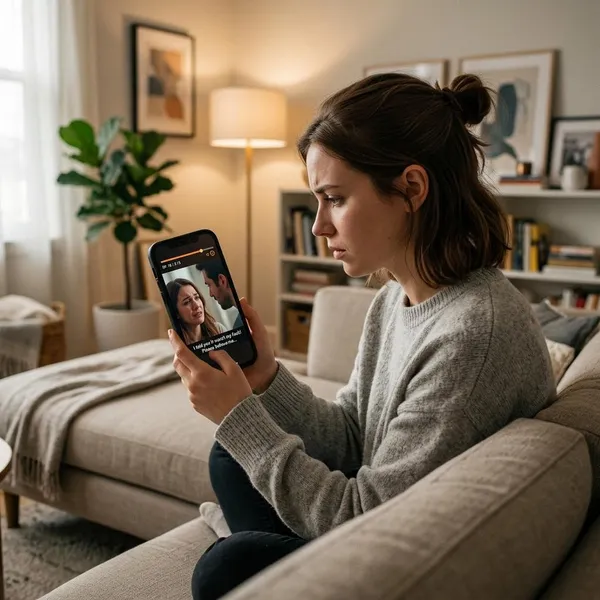
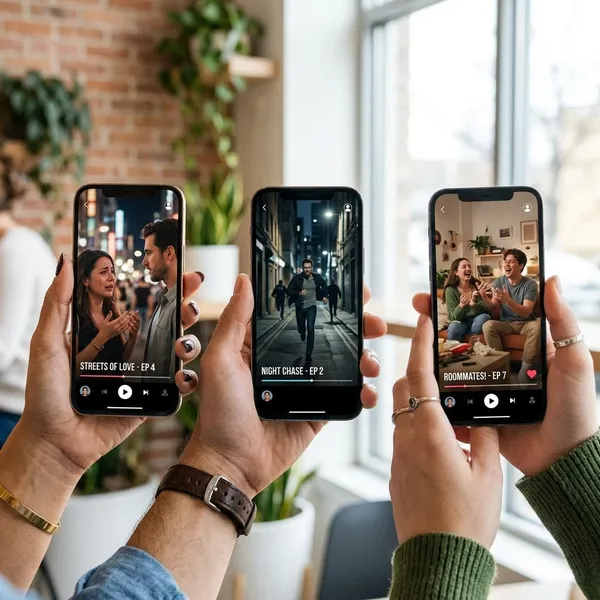
A vertical drama is not just any video shot upright. It is a scripted, serialized story made for people watching on a phone, usually in a 9:16 frame, with short episodes that push viewers from one chapter to the next.
Scripted stories filmed for vertical phone screens
Vertical dramas are planned for the upright phone screen from the start. That affects the acting, camera placement, editing, subtitles, and even the types of scenes that work best. Close-ups, confrontations, and clear emotional reactions usually matter more than wide action or complex staging.
Short episodes connected into one serialized story
Most vertical dramas use very short episodes, often only a few minutes or less, but the full story may run across dozens of installments. That is why the format works for two different viewing habits: someone can watch one episode while waiting for coffee, while another viewer can burn through a whole season at night without feeling like they started a "serious" long show.
Fast pacing built around hooks and cliffhangers
The pacing is usually blunt on purpose. There is little time for slow setup, so episodes often open with a conflict, a reveal, a betrayal, or a romantic misunderstanding.
- Opening hook: the viewer understands the problem almost immediately.
- One strong beat: each episode tends to focus on one emotional turn.
- Cliffhanger ending: the cut often happens just before the answer, confession, or consequence.
Mobile viewing at the center of the format
Phone-first viewing is the real center of the format. The story has to remain readable on a small screen, sometimes without full attention, and often in short bursts. That is why vertical dramas lean toward clear stakes: secret identities, revenge, fake marriages, inheritance fights, workplace humiliation, and sudden reversals.
Why 2018 Was a Turning Point
2018 matters because the ingredients started coming together. Smartphones, short-video habits, vertical shooting, and low-cost digital production already existed, but around this period vertical-screen serialized dramas began attracting enough attention to be discussed as a repeatable format.
Hit vertical-screen dramas began attracting attention
Around 2018, Chinese vertical-screen short dramas began proving that viewers would follow ongoing fictional stories in portrait mode. These productions were not always as polished as the later app hits, but they showed that the format could do more than deliver isolated jokes or quick creator videos.
That distinction matters. A single early experiment can be interesting, but a format becomes important when audiences keep watching, producers repeat the model, and platforms see a reason to support it.
Mobile viewing habits were already well established
Vertical dramas did not need to teach people how to watch on phones. By the late 2010s, mobile video was already a daily habit for many Chinese viewers, and short-form platforms had made portrait viewing feel normal.
This is why the format could grow quickly once the storytelling clicked. The audience behavior was already there; producers only had to shape fiction around it. A viewer who was already used to checking short videos during a commute or break could easily try a one-minute drama episode, then another, then another.
Major platforms experimented with phone-first storytelling
The late-2010s shift was not only about screen shape. Platforms and producers were testing which story types actually worked in a phone-first environment. The winners tended to be simple to grasp, emotionally loud, and easy to continue across many short chapters.
| Period | What changed | Why it matters |
|---|---|---|
| Early 2010s | Mobile video viewing grew | Viewers became comfortable watching entertainment on phones |
| Around 2018 | Vertical serialized dramas gained clearer attention in China | The format became easier to recognize and repeat |
| 2020 onward | Micro-drama apps and paid unlocking models expanded | Cliffhangers became tied to a stronger business model |
| 2022 onward | International apps pushed the format into new markets | Vertical drama became visible outside China |
Vertical framing became part of the format itself
At first, vertical framing could look like a limitation. Over time, it became part of the language of the format. Faces, reactions, tight confrontations, and direct emotional beats work especially well in portrait mode, so creators leaned into those strengths instead of trying to imitate widescreen television.
When Did Vertical Dramas Go Global?
Vertical dramas became much more visible globally in the early 2020s, with 2022 standing out because of ReelShort's launch and the growth of English-language mobile drama apps. The format did not simply travel as exported Chinese shows; it spread because the production model could be adapted with local actors, languages, and settings.

ReelShort launched in 2022
ReelShort launched in 2022, making it one of the clearest milestones for vertical dramas outside China. For many English-speaking viewers, it turned the format from something seen in scattered ads or clips into a dedicated app experience built around short, serialized, cliffhanger-driven stories.
English-language productions expanded after that
After that, English-language productions became more important. Direct imports and dubbing can introduce a format, but local productions usually make it easier for viewers to accept the story world. Familiar accents, settings, relationship dynamics, and social cues reduce the feeling that the show is only a translated product.
A billionaire romance or revenge marriage plot can travel across markets, but the details still matter. A viewer in the United States, Southeast Asia, or Europe may respond to the same cliffhanger structure while expecting different workplace behavior, family tension, or romantic pacing.
DramaBox and other platforms followed
DramaBox and other platforms helped turn vertical drama into a competitive app category rather than a one-app curiosity. More platforms meant more advertising, more localized productions, more testing of paid episode unlocks, and more chances for casual viewers to run into the format.
- Low commitment: the first episodes are easy to sample.
- Fast production cycles: platforms can react quickly to popular tropes.
- Clear monetization: cliffhangers encourage paid unlocking or subscriptions.
- Social advertising: dramatic clips work well as app-install hooks.
Local casts helped the format reach new markets
Local casting gave vertical dramas a better chance of feeling native rather than imported. The structure could stay familiar: short episodes, sharp conflict, emotional reversals, and cliffhangers. The faces, accents, settings, and social details could change for each market.
That is why the global spread after 2022 is better understood as adaptation, not just export. The format was standardized enough to scale, but flexible enough to be remade for different audiences.
Conclusion
Vertical dramas are best dated as a late-2010s Chinese format, with 2018 as the practical turning point and 2022 as the key global milestone. If you need one clean answer, use 2018 for when the format became recognizable; if you need the fuller timeline, add that international growth accelerated after ReelShort and similar apps brought the model to English-language and other local markets.