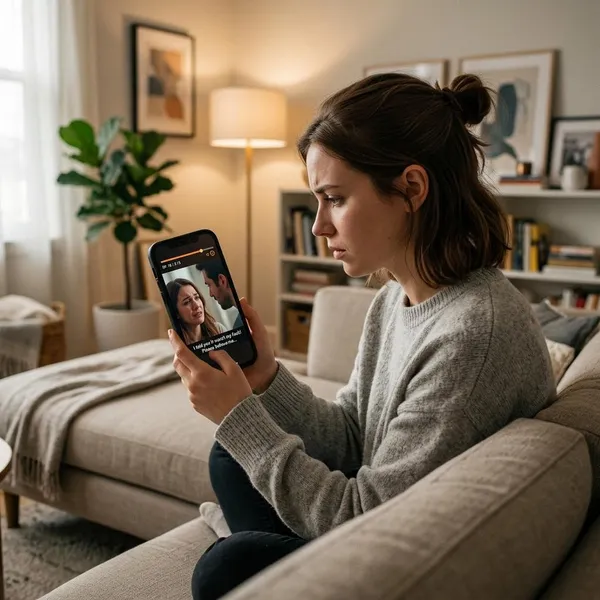
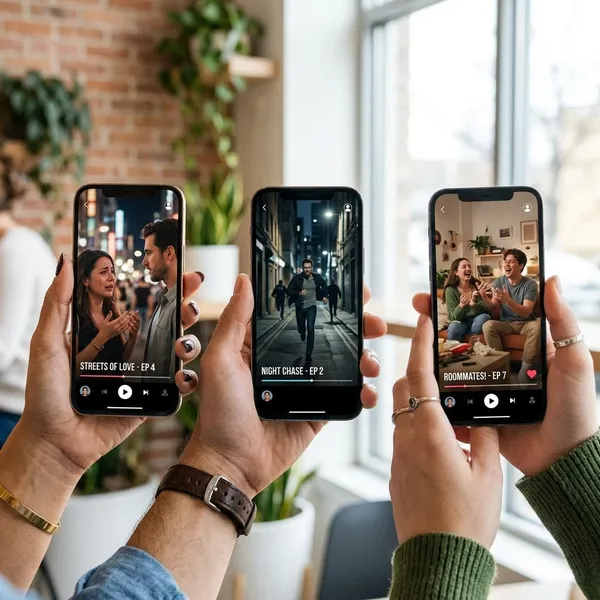
Vertical dramas became popular because they remove almost every bit of friction from watching a story: the screen is already vertical, the episodes are tiny, and the plot gives you a reason to keep tapping. If you are asking why are vertical dramas so popular, the simplest answer is that they turn soap-opera-style emotion into a phone-native habit.

Why Are Vertical Dramas So Popular?
Vertical dramas work because they match the way people already use entertainment in small pockets of time. They do not ask for a sofa, a TV, or a 45-minute commitment. One episode can fit into a bus ride, a coffee break, or the few minutes before bed.
They fit how people already use their phones
Most phone video is already watched vertically, so vertical dramas feel natural before the story even begins. That small design choice matters: a viewer can tap from a social ad or app feed straight into the episode without rotating the screen or changing posture.
The format also changes how scenes feel. Tight close-ups, direct reactions, text-message reveals, and face-to-face confrontations work well on a narrow screen. For a casual viewer checking a show during a lunch break, that intimacy can be more effective than a wide, slow scene made for a television.
Short episodes are easy to watch anytime
A one-minute episode feels harmless. That is why people are more willing to sample a vertical drama than start a full streaming episode when they are tired, waiting in line, or half-distracted.
The catch is that "just one" rarely stays one. Short episodes lower the starting cost, but the full session can grow quickly when each ending points directly into the next scene.
Fast stories deliver quick emotional payoff
Vertical dramas usually skip the long runway. A breakup, accusation, secret marriage, public insult, or surprise return may appear almost immediately because the viewer needs a reason to care within seconds.
That speed is perfect for viewers who want instant drama rather than slow-burn prestige TV. It is less ideal for someone who prefers subtle character development, quiet atmosphere, or complex world-building. The format rewards clarity and emotion first.
Cliffhangers make the next episode hard to skip
Cliffhangers are the engine of the format. Episodes often stop just before the answer: the door opens, the truth is about to come out, or a character is caught at the worst possible moment.

What Are Vertical Dramas?
Vertical dramas are scripted, serialized shows made for portrait phone screens. They are not simply random short clips with a story-like moment. They have actors, recurring characters, planned conflicts, and connected episodes.
Scripted stories made for vertical screens
These productions are filmed with the phone screen in mind from the start. That means fewer wide shots, more close framing, and scenes built around readable emotion: a shocked face, a held pause, a slap, a confession, a character entering at exactly the wrong time.
This separates vertical dramas from ordinary TikTok-style clips. Both may be vertical, but vertical dramas are designed to keep a fictional story moving across many episodes.
Short episodes linked into one longer story
The episodes are short, but the story is not always small. A series may split one romance, revenge arc, or identity reveal into dozens of bite-sized chapters.
- One episode: a single turn, reveal, confrontation, or misunderstanding.
- One viewing session: several emotional beats in a few minutes.
- One full season: a complete arc that can feel much longer than the episode length suggests.
Mobile-first viewing built around fast pacing
Vertical dramas are not regular TV episodes chopped into smaller pieces. The pacing is built for interruption. If someone watches two episodes while waiting for a train and comes back later, the conflict must still be obvious.
Why Vertical Dramas Feel So Addictive
Vertical dramas feel addictive because they compress the normal rhythm of a series. Instead of waiting half an episode for a turning point, viewers may get a hook, a conflict, a twist, and a cliffhanger in only a few minutes.
The format also works with app behavior. Autoplay, unlock prompts, free opening episodes, and dramatic preview clips all make the next step feel immediate. The story is written to create curiosity, and the platform is designed to remove the pause where a viewer might stop.
The story hooks viewers almost immediately
The first seconds usually do real work. A character is betrayed, humiliated, rescued, threatened, married by contract, revealed as secretly powerful, or thrown into danger. The viewer does not need a long explanation to understand the emotional question.
That matters most for people arriving from an ad or social feed. They did not sit down intending to watch a series, so the opening has to earn attention before the next swipe steals it.
Conflict appears early in each episode
Conflict keeps the story easy to follow on a small screen. It may be romantic jealousy, family pressure, a business betrayal, a class difference, a supernatural threat, or a revenge setup, but it usually appears near the front of the episode.
Twists arrive more often than in traditional TV
Vertical dramas often use twists at a much higher frequency than traditional series. A hidden identity, secret child, fake marriage, sudden inheritance, rebirth, or switched status can arrive early, then create new complications every few episodes.
That can feel exaggerated if you expect realism. But for viewers who want high emotional heat, the exaggeration is the point. The format is closer to snackable melodrama than slow literary drama.
Cliffhangers create a constant need to know more
The strongest episodes end with an open loop: someone sees the wrong thing, a secret is seconds from exposure, or a character makes a decision before the viewer sees the result. The brain wants closure, and the app offers it immediately.
- Low time cost: the next episode feels easy to justify.
- Unresolved emotion: the viewer wants relief, revenge, or confirmation.
- Instant access: the next chapter is usually one tap away.
Why Certain Genres Work So Well
The best vertical drama genres are the ones that create stakes quickly. Romance, revenge, hidden identity, and fantasy do not require a viewer to memorize a complicated setup before caring about the next scene.
Romance creates fast emotional stakes
Romance is a natural fit because attraction, jealousy, rejection, and misunderstanding read instantly on a phone screen. One glance, one accusation, or one interrupted confession can carry a whole episode.
It also suits viewers who like emotional continuity more than complex plotting. If the main question is "Will they finally understand each other?" the show can stretch tension across many short chapters without needing a new world or rule system every time.
Revenge delivers frequent payoffs
Revenge gives the audience a clear scoreboard. Someone was wronged, someone deserves exposure, and each small victory feels satisfying.
That makes it especially useful in short episodes. A character can win one argument, reveal one lie, or regain one piece of power, and the viewer still feels progress. The risk is repetition, so the strongest revenge stories keep changing the type of payoff instead of using the same public humiliation scene again and again.
Hidden identities create easy twists
Hidden identity plots are efficient because the audience understands the tension immediately. A poor employee is secretly rich, a rejected wife is actually powerful, or a harmless stranger has a dangerous past.
This device works in two different ways. Sometimes the viewer knows the truth and waits for other characters to be embarrassed. Other times the viewer discovers it with the cast. Both versions create quick suspense without much explanation.
Fantasy adds high-stakes conflict quickly
Fantasy can raise the scale of a vertical drama in seconds. Rebirth, magic, curses, royal bloodlines, supernatural enemies, or alternate worlds give ordinary romance and revenge plots a bigger threat.
For a viewer browsing an app full of similar billionaire, marriage, and revenge stories, one strong fantasy rule can make a series easier to remember. It does not need a huge budget to work; it needs a clear promise and fast consequences.
Conclusion
Vertical dramas are popular because they understand the phone viewer better than many longer formats do: start fast, make the emotion obvious, end with a question, and keep the next episode close. They are not the best choice for every kind of story, but for quick romance, revenge, identity reveals, and high-stakes melodrama, the format fits the habit perfectly.